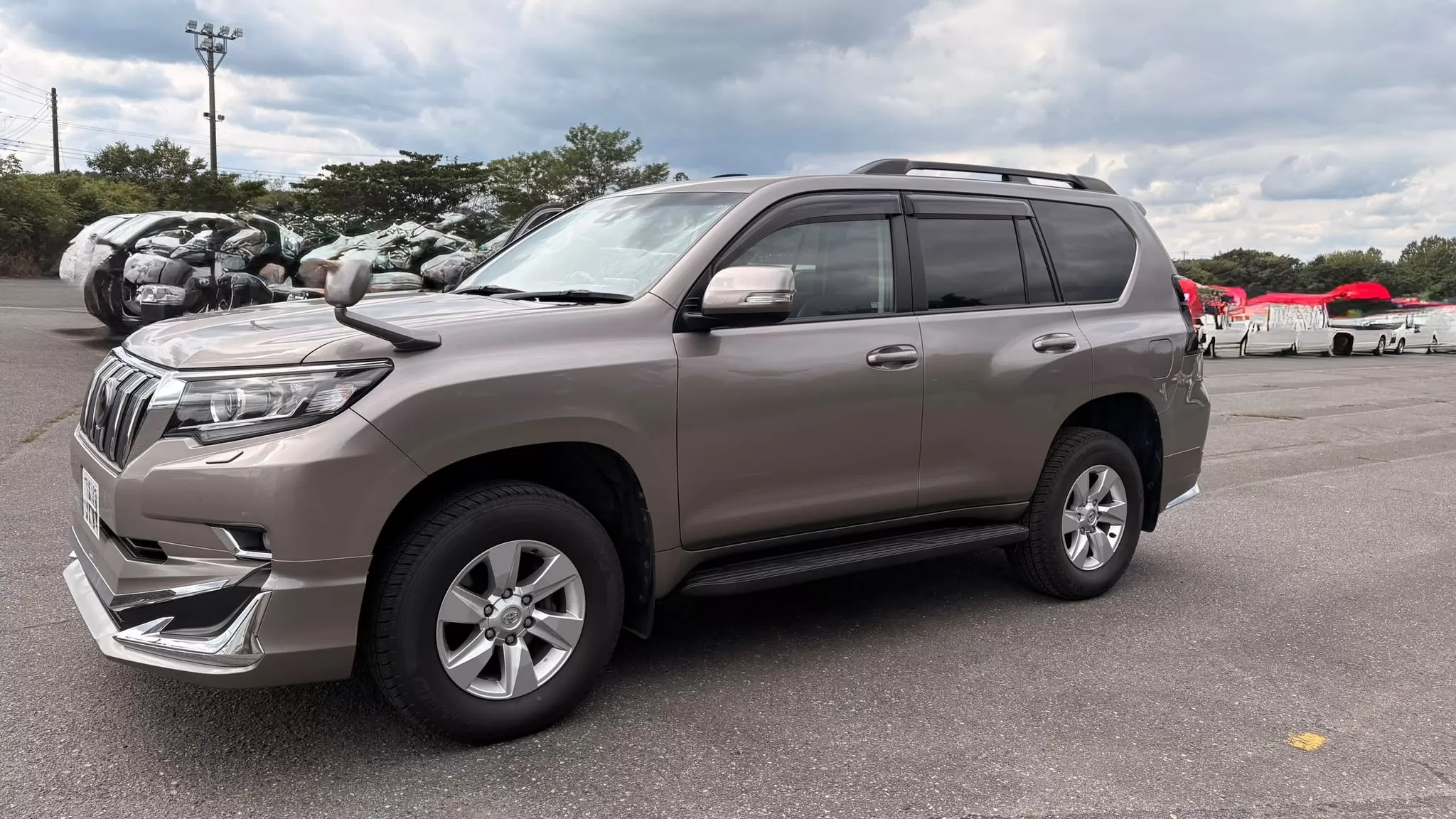
Importing a used car from Japan to Uganda involves more than choosing a vehicle and arranging shipping. Buyers need to check the vehicle's age, review its condition, confirm inspection requirements, understand import taxes, and account for the costs of customs clearance and inland transportation.
Japan offers a wide selection of used cars, SUVs, vans, pickups, and other vehicles. The right choice depends on your budget, intended use, preferred specifications, and the vehicle's eligibility for import into Uganda.
The advertised vehicle price is only one part of the total cost. Freight, marine insurance, applicable taxes, inspection, port handling, clearing-agent fees, and local delivery can all affect the amount you eventually pay.
1. What Are the Requirements for Importing a Used Car to Uganda?
Before selecting a vehicle, check the current requirements published by the Uganda Revenue Authority (URA) and the Uganda National Bureau of Standards (UNBS).
Three areas deserve particular attention: vehicle age, roadworthiness inspection, and customs clearance.
Vehicle Age Limit
According to Uganda Revenue Authority's import guidance, vehicles more than 15 years old from their date of manufacture are prohibited from importation.
URA also identifies environmental levies for certain vehicles aged 9-15 years. Its published guidance lists a 50% levy for passenger or saloon vehicles and a 20% levy for goods vehicles in this age category, subject to the applicable vehicle classification and rules.
Before buying, confirm the manufacturing year and check the vehicle's eligibility. Do not rely on the model year alone if the actual manufacturing date is unclear.
Pre-Shipment Inspection
Used motor vehicles imported from Japan must meet the applicable inspection requirements under Uganda's Pre-Export Verification of Conformity (PVoC) programme.
The Uganda National Bureau of Standards explains that used vehicles imported from Japan are subject to inspection against the relevant roadworthiness standard before importation. The applicable Certificate of Road Worthiness (CRW) is an important part of the process.
Inspection arrangements and appointed service providers can change. Confirm the current procedure with UNBS or its currently authorised inspection provider before arranging shipment.
Vehicle Specifications
Check the vehicle's make, model, manufacturing year, engine capacity, mileage, transmission, and other specifications against the available documents.
You should also confirm applicable steering-side and road-use requirements with the relevant authorities before placing an order. A vehicle being available for export does not automatically mean it meets every requirement for use in Uganda.
2. How to Import a Used Car from Japan to Uganda
Following a clear sequence can help you manage the purchase and reduce the risk of unexpected costs.
Step 1: Choose a Suitable Vehicle
Start by deciding how you intend to use the vehicle. A compact car for commuting may have different requirements from an SUV for family travel or a pickup for business use.
Consider your budget, seating needs, expected fuel consumption, maintenance requirements, and the vehicle's age and condition.
Browse the GreatCars Japan vehicle inventory to explore available options and compare the listed specifications.
Step 2: Check the Vehicle's Condition and History
Before purchasing, request the available inspection records and supporting vehicle documents.
Review:
-
Manufacturing year and registration details, where available.
-
Mileage and supporting records.
-
Auction sheet or inspection report, where available.
-
Documented accident or repair history.
-
Engine, transmission, tyres, and visible body condition.
-
Photographs and disclosed mechanical issues.
Photographs alone cannot establish a vehicle's complete condition. Ask questions about unclear details and request clarification if the listing does not match its supporting documents.
For a more detailed checklist, read our guide to what to check before buying a used car from Japan.
Step 3: Request a Detailed Quotation
Once you have selected a vehicle, request a quotation that clearly separates the vehicle price from shipping and other charges.
Ask the exporter to specify:
- Vehicle purchase price.
- Japan-side handling or export-related charges, where applicable.
- Freight charges and destination port.
- Whether marine insurance is included.
- Inspection and documentation charges.
- Services included in the quotation.
- Charges that remain payable at destination.
Also confirm whether the quotation uses FOB or CIF terms.
FOB (Free on Board): The seller's responsibilities generally include delivering the vehicle on board the vessel at the named shipment port. The buyer normally arranges the main carriage and insurance if required.
CIF (Cost, Insurance and Freight): The seller arranges and pays for the main freight and required insurance to the named destination port. Under CIF, risk generally transfers when the vehicle is loaded on board at the shipment port, rather than when it arrives at the destination.
Neither option automatically represents the lowest total cost. Compare the included services, insurance cover, and contract terms before choosing.
Read our guide to FOB vs CIF when importing a used car from Japan.
Step 4: Complete the Required Inspection
Confirm the inspection process before the vehicle leaves Japan.
The applicable UNBS PVoC procedure is intended to ensure that imported used vehicles meet the required standards. Ask the authorised inspection provider which checks and documents apply to your chosen vehicle.
Before shipment, confirm:
- Which inspection procedure applies.
- Which service provider is currently authorised.
- Which certificate will be issued after successful inspection.
- What happens if the vehicle does not pass.
- Whether any additional documentation is required.
Do not rely on an old list of inspection companies without checking the latest UNBS guidance.
Step 5: Arrange Shipping to Uganda
Uganda is landlocked, so vehicles commonly travel through a regional seaport before being transported inland.
Mombasa in Kenya and Dar es Salaam in Tanzania are possible ports for shipments destined for Uganda. The actual route depends on the shipping service and the agreed arrangement.
Vehicles may be shipped using Roll-on/Roll-off (RoRo) services or containers, depending on availability and the quotation.
Before confirming the purchase, ask the exporter to specify:
- Shipping method and destination port.
- Whether freight and marine insurance are included.
- Estimated shipping schedule.
- Arrangements for onward transportation to Uganda.
- Port handling, transit, and other excluded charges.
Shipping schedules are estimates, not guaranteed arrival dates. Port procedures, transit arrangements, and customs clearance can affect the final delivery time.
Step 6: Prepare for Customs Clearance
When the vehicle arrives at the relevant entry point, the importer or appointed clearing agent must follow the applicable customs procedures.
The URA import and export guidance explains that customs valuation for goods transported by sea generally considers the cost, insurance, and freight up to the relevant port of importation in the East African Community, such as Mombasa or Dar es Salaam.
Used vehicles are also covered by URA's motor vehicle valuation guide. The guide provides indicative values for customs risk-management purposes; the final customs valuation must follow the applicable valuation rules.
Keep the commercial invoice, shipping documents, inspection certificate, payment records, and other required paperwork ready for the clearance process.
Step 7: Arrange Local Delivery and Registration
After the required customs and inspection procedures are completed, arrange transportation to your intended destination.
Before using the vehicle on public roads, confirm the applicable registration, licensing, and other local requirements with the relevant Ugandan authorities.
Remember to include these expenses in your budget. A quotation covering the vehicle and sea freight does not necessarily cover customs clearance, inland delivery, or registration.
3. How Much Does It Cost to Import a Used Car from Japan to Uganda?
The total cost depends on the vehicle, its customs valuation, shipping arrangements, applicable taxes, inspection requirements, and local handling and delivery expenses.
Rather than relying on the advertised vehicle price alone, prepare a budget covering the full import process.
| Cost component | What to check |
|---|---|
| Vehicle purchase price | Agreed price and payment terms |
| Japan-side charges | Handling, documentation, and export-related charges, where applicable |
| Ocean freight | Cost of shipping to the named destination port |
| Marine insurance | Whether insurance is included and what it covers |
| Import duty | Current applicable rate and customs assessment |
| VAT and other taxes | Applicable tax treatment for the specific vehicle |
| Environmental levy | Whether the vehicle's age and category trigger a levy |
| Other statutory charges | Whether additional levies or fees apply |
| Inspection and certification | Required inspection process and fees |
| Port and clearing charges | Handling, clearance, and clearing-agent fees |
| Inland transportation | Cost of moving the vehicle to its destination |
| Registration and local costs | Applicable registration, licensing, and related charges |
This is a budgeting checklist, not a fixed tariff or quotation. Some charges may already be included in the exporter's price, so review the breakdown carefully to avoid counting the same cost twice.
How Are Uganda's Import Taxes Calculated?
URA explains that customs taxes are calculated using the applicable customs value and tax rules. For sea-freighted imports, the customs value generally considers cost, insurance, and freight to the relevant East African Community port.
For used motor vehicles, URA maintains a Motor Vehicle Value Guide. The published database provides indicative values for risk-management purposes, and customs valuation follows the applicable valuation rules rather than automatically relying on the invoice price alone.
Depending on the vehicle and current rules, the tax assessment may include import duty, VAT, withholding tax, an environmental levy, infrastructure-related levies, or other applicable charges.
To estimate the cost of a specific vehicle:
- Identify the exact make, model, manufacturing year, and engine capacity.
- Obtain the purchase price and shipping quotation.
- Confirm whether freight, insurance, and other services are included.
- Check the current URA Motor Vehicle Value Guide.
- Use the current URA tax calculation facility or seek an assessment from a qualified clearing agent.
- Add inspection, port handling, clearance, inland transportation, and registration expenses.
Important: Do not treat a general online tax example as a guaranteed estimate for your vehicle. Tax rates, valuation data, and regulations can change. Obtain a current calculation based on the vehicle's details before making a purchase.
For additional budgeting guidance, read our article on the cost of importing a used car from Japan.
4. What Documents May Be Needed?
The exact documents depend on the vehicle, export arrangements, and applicable import procedures. Confirm the final list with your exporter, clearing agent, and the relevant Ugandan authorities.
Documents that may be relevant include:
- Commercial invoice: Records the vehicle transaction and agreed price.
- Bill of lading: Records the shipment and carriage details.
- Vehicle export or deregistration documents: As applicable to the vehicle and export process.
- Certificate of Road Worthiness: Required under the applicable UNBS process for used motor vehicles.
- Customs declaration and supporting paperwork: Prepared as part of the clearance process.
- Payment records: Help document the transaction.
- Importer identification and tax details: As required for customs processing.
- Additional supporting documents: As requested by the authorities or clearing agent.
This is a planning checklist rather than a definitive legal list for every import. Ask which original documents or certified copies are required before the vehicle is shipped.
5. How to Choose the Right Used Car for Uganda
A low purchase price does not always mean a better deal. Compare the vehicle's condition, specifications, import eligibility, and expected ownership costs.
Match the Vehicle to Your Needs
Consider whether you need a compact car for commuting, a larger vehicle for family use, or a pickup or van for business purposes. Choose a vehicle that suits your intended use and budget.
Review Fuel and Maintenance Needs
Compare engine specifications, expected fuel consumption, maintenance requirements, and parts availability. Consider the long-term cost of ownership alongside the purchase price.
Check the Manufacturing Year
Uganda's age restriction makes the manufacturing date an important part of vehicle selection. Confirm the actual manufacturing year and eligibility before paying for the vehicle.
Review the Condition Records
Check the available auction sheet, inspection report, photographs, and any disclosed repair history. Ask for further information when important details are missing or unclear.
Compare the Total Landed Cost
Compare vehicles using the estimated full cost, including shipping, applicable taxes, inspection, clearance, inland transportation, and other relevant charges.
A vehicle with a slightly higher purchase price may still be a better fit if its condition, specifications, and overall costs suit your requirements.
Start by browsing vehicles available from GreatCars Japan, then request a quotation for the option that interests you.
6. Common Mistakes to Avoid
Buying before checking age eligibility: Confirm the manufacturing year and current import restrictions before paying.
Budgeting only for the vehicle: Include freight, insurance, applicable taxes, inspection, clearance, and local delivery.
Assuming the invoice price determines customs taxes: Used-vehicle customs valuation follows the applicable rules and may refer to URA's valuation guide.
Overlooking inspection requirements: Confirm the current UNBS procedure and required documents before shipment.
Relying on an outdated inspection-provider list: Verify the currently authorised service provider before arranging inspection.
Misunderstanding FOB and CIF: Check which charges are included, what insurance is provided, and when risk transfers under the agreed terms.
Relying only on verbal promises: Request the vehicle details, quotation, included services, and payment terms in writing.
Ignoring inland transportation: A vehicle arriving through a regional port may require separate transport and handling before reaching its destination in Uganda.
Conclusion
Importing a used car from Japan to Uganda involves more than choosing a vehicle at an attractive price. Buyers should confirm vehicle eligibility, review condition records, understand shipping arrangements, check inspection requirements, and estimate customs taxes and local charges before committing to a purchase.
A detailed quotation and a realistic landed-cost budget can help you compare vehicles and prepare for the import process with greater confidence.
Explore the GreatCars Japan vehicle inventory to find a vehicle that suits your needs, or contact GreatCars Japan to discuss your requirements and request a quotation.
Frequently Asked Questions
Can I import a used car from Japan to Uganda?
Yes, provided the vehicle meets the applicable age, import, inspection, customs, and documentation requirements. Confirm eligibility and the current procedure before purchasing.
What is the maximum age of a used car that can be imported into Uganda?
URA states that vehicles more than 15 years old from their date of manufacture are prohibited from importation. Confirm the manufacturing year and applicable rules before ordering.
Is there an environmental levy on used cars in Uganda?
URA guidance lists an environmental levy for certain vehicles aged 9–15 years. The applicable rate depends on the vehicle category and relevant rules. Check the current URA guidance for your specific vehicle.
How much does it cost to import a car from Japan to Uganda?
The total depends on the vehicle, customs valuation, freight, insurance, taxes, inspection, clearance, and local delivery. Use the current URA valuation guide and tax calculation facility to estimate the applicable taxes.
Do used cars from Japan require pre-shipment inspection?
Used vehicles exported from Japan are subject to applicable UNBS inspection and roadworthiness documentation requirements. Confirm the current PVoC procedure and authorised inspection provider before shipment.
Which documents are needed to import a used car?
Commonly relevant documents include a commercial invoice, bill of lading, applicable vehicle export documents, inspection certificate, and customs paperwork. Confirm the exact list with your exporter and clearing agent.
Are cars shipped directly to Uganda?
Uganda is landlocked, so vehicles commonly travel through a regional seaport, such as Mombasa or Dar es Salaam, before onward transportation. The actual route depends on the shipping arrangement.
Is FOB or CIF better when importing a car?
Neither is automatically better. FOB generally leaves the buyer responsible for arranging the main freight and insurance if needed. CIF includes seller-arranged main freight and required insurance to the named destination port. Compare the full quotation and contract terms before choosing.
Can GreatCars Japan provide a quotation for Uganda?
You can contact GreatCars Japan to discuss an available vehicle and request a quotation. Ask for a breakdown of the vehicle price, shipping, insurance, included services, and any charges that remain payable at destination.