Buying a used car from Japan gives international buyers access to a wide range of makes, models and vehicle types. However, choosing the right vehicle involves more than comparing prices, mileage figures and photographs.
Before making a purchase, you need to understand the vehicle's recorded condition, check the available inspection information, review its history and confirm whether its specifications meet your requirements.
This is especially important when you are buying remotely. You may not have the opportunity to inspect the vehicle in person before it is shipped to your country.
So, what should you check before buying a used car from Japan?
From reviewing an auction sheet to examining photographs, verifying mileage and asking the right questions, this guide explains the key checks that can help you make a more informed buying decision.
Why Should You Check a Used Car Before Buying It?
A used vehicle's advertised price does not tell you everything about its condition or suitability.
Two cars of the same model and year may differ in mileage, maintenance history, previous repairs, equipment and overall condition. These differences can affect future maintenance costs and the vehicle's suitability for your intended use.
Checking the available information before purchasing can help you:
- Identify visible damage and disclosed repair history.
- Understand what an inspection report actually records.
- Compare mileage and vehicle age more carefully.
- Confirm which features and equipment are included.
- Avoid misunderstandings about the vehicle's condition.
- Make a better-informed decision before paying for shipping.
No single document or photograph can guarantee that a used car is free from problems. The aim is to gather enough reliable information to understand what you are buying and identify any questions that need clarification.
1. Check the Vehicle's Basic Details
Start by reviewing the vehicle's listing and confirming that its basic details match your requirements.
Pay attention to the following information:
| Detail | What to check |
|---|---|
| Make and model | Confirm the exact vehicle and variant |
| Model year | Check the stated year and relevant registration information |
| Mileage | Review the recorded distance travelled |
| Engine capacity | Confirm that it suits your needs and destination rules |
| Fuel type | Check petrol, diesel, hybrid or other stated configuration |
| Transmission | Confirm manual or automatic transmission |
| Drivetrain | Check whether the vehicle is 2WD, 4WD or another configuration |
| Body type | Confirm whether it is a sedan, SUV, van, pickup or another type |
| Stock or reference number | Use it when requesting information about the specific vehicle |
Do not rely on the model name alone. Different variants of the same vehicle can have different specifications and equipment.
If any detail is missing or unclear, ask the seller to confirm it before proceeding.
You can begin by browsing the available used vehicles at GreatCars Japan and shortlisting models that match your requirements.
2. Understand the Japanese Car Auction Sheet
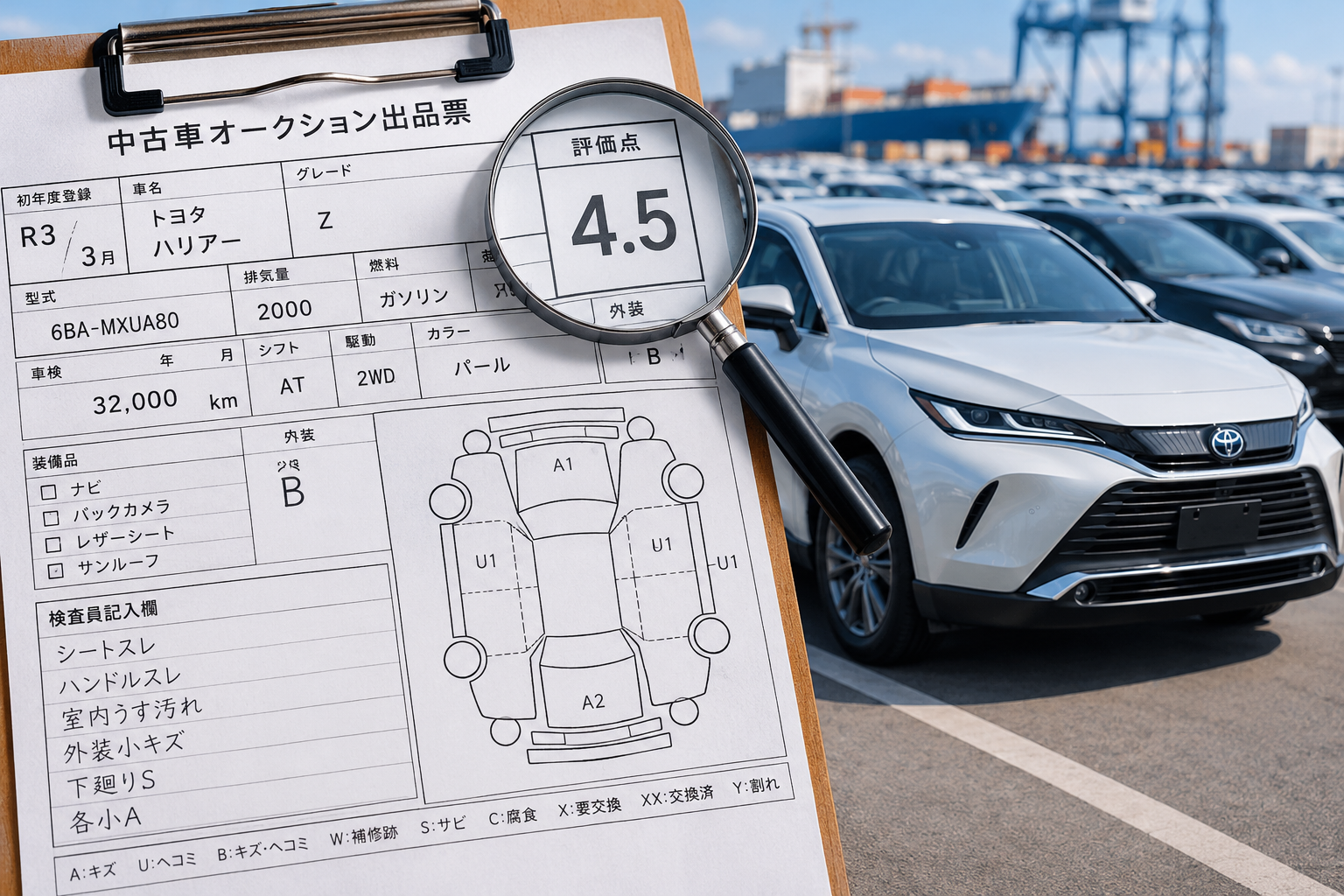
If the vehicle was sold through a Japanese vehicle auction and an auction sheet is available, it can be a useful source of condition information.
An auction sheet may contain an overall inspection grade, interior condition assessment, mileage information, equipment notes and markings indicating damage or other observations. The exact information depends on the auction house and the document.
However, an auction sheet should not be treated as a universal certificate that guarantees a vehicle's condition.
What should you look for?
Overall auction grade
Review the grade shown on the document and check the grading system used by the relevant auction house. Grading systems and criteria can vary, so the grade should be interpreted in context.
Interior grade
Some auction sheets include a separate interior assessment. Review it alongside the available cabin photographs and any notes about wear or damage.
Exterior damage markings
Diagrams or written notes may identify scratches, dents, paint issues or other observed damage. Check whether the markings correspond to the available photographs and inspection comments.
Inspector's comments
Written observations can provide important context about the vehicle. If a note is unclear, ask for an explanation rather than assuming it is unimportant.
Mileage information
Compare the recorded mileage with the listing and any available supporting documentation. If the figures differ, ask the seller to explain the discrepancy.
Can you rely only on the auction grade?
No. A grade is one part of the assessment, not a complete guarantee of mechanical condition, accident history or future reliability.
Always review the actual document, its notes and the other information available for the vehicle.
If an auction sheet is unavailable, do not assume the vehicle has a particular grade or inspection history. Ask what alternative condition information can be provided.
3. Verify the Mileage Carefully
Mileage can help you understand how much a vehicle has been driven, but it should not be the only factor in your decision.
A vehicle with lower recorded mileage may still require attention because of its age, storage conditions, maintenance history or other factors. A vehicle with higher mileage may have a useful maintenance record and a condition that suits its price.
Before buying, check:
- The mileage stated in the listing.
- Any mileage recorded on an available auction sheet.
- Service records or other supporting documents, where available.
- Whether the mileage figures are consistent across the available records.
- Any notes that raise questions about mileage verification.
If different documents show different figures, ask for clarification before making payment.
Also consider mileage alongside the vehicle's age and visible wear. For example, the condition of the steering wheel, seats, pedals and other frequently used areas may provide context, but appearance alone cannot establish the vehicle's actual mileage.
Important: Do not treat a low mileage figure as proof that a vehicle has been well maintained or is mechanically sound.
4. Check Accident and Repair History
Accident and repair information can be important when assessing a used car, particularly when purchasing remotely.
Review the available auction sheet, inspection report, seller disclosures and photographs for any recorded damage or repair information.
Look carefully at the following areas in the photographs:
- Front and rear bumpers.
- Doors and side panels.
- Bonnet and boot or tailgate.
- Headlights and rear lights.
- Wheel arches and visible body edges.
- Windows, mirrors and exterior trim.
- Visible differences in paint colour or finish.
Look for inconsistencies between the photographs and any written condition notes. If an area appears damaged or repaired, ask whether further information is available.
Does a repaired vehicle automatically mean a bad purchase?
Not necessarily. The importance of a repair depends on its nature, extent, quality and effect on the vehicle.
Cosmetic damage and structural damage should not be treated as equivalent. If the available records mention structural repairs or significant accident damage, seek clarification and appropriate inspection information before deciding.
Photographs cannot reliably reveal every previous repair, and the absence of visible damage does not prove that a vehicle has never been involved in an accident.
If accident history is a key concern, ask what supporting records or inspection findings are available.
5. Examine Exterior and Interior Photographs
When you cannot inspect a vehicle in person, photographs become an important part of the initial assessment.
However, a few attractive photographs are not enough to establish the complete condition of a car. Review all available images and request additional photographs if important areas are missing.
Exterior checks
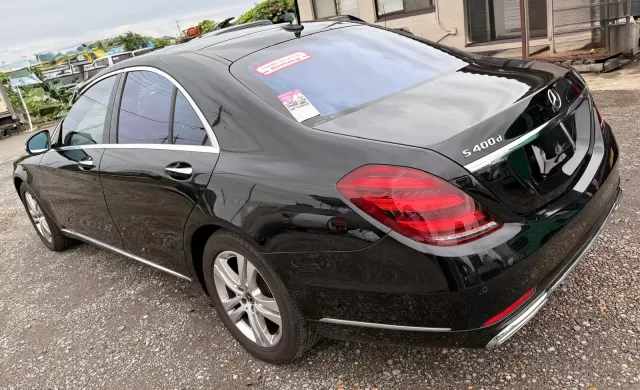
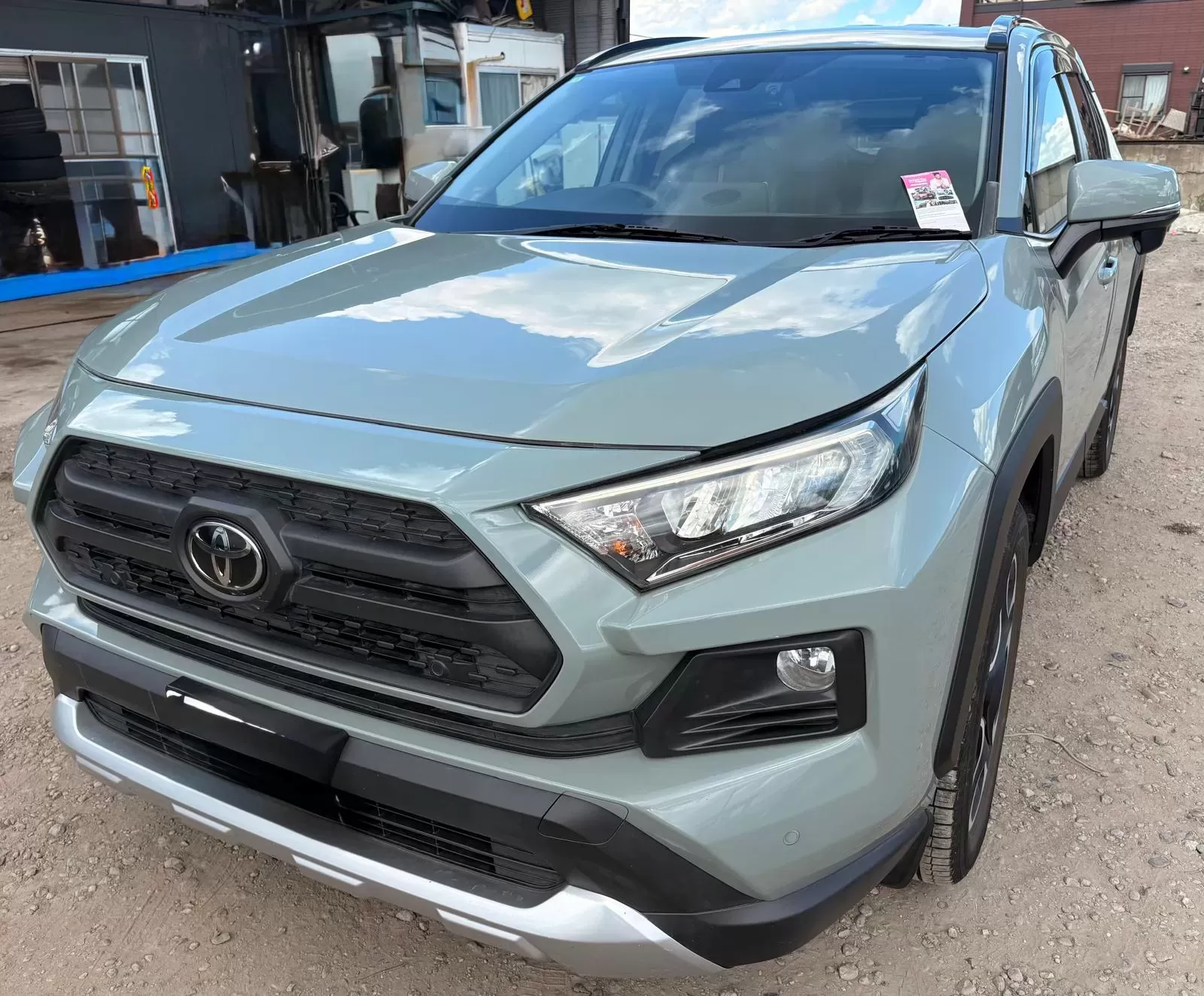
Review photographs of the vehicle from different angles, including the front, rear, both sides and any available close-ups.
Look for:
- Dents, scratches and visible corrosion.
- Uneven gaps between body panels.
- Differences in paint finish between adjacent panels.
- Cracked or damaged lights.
- Damage around bumpers and wheel arches.
- Visible tyre wear or differences between tyres.
- Signs of damage around windows and exterior trim.
These observations can help identify questions for the seller, but they do not replace a physical inspection.
Interior checks
Examine the available photographs of the seats, dashboard, steering wheel, door panels, carpets and controls.
Check for visible wear, stains, tears, missing trim or other damage. If the condition of the cabin matters to you, request clear photographs of areas that are not shown in the listing.
Confirm the equipment you actually need
Do not assume that a vehicle includes a particular feature because it is available on other versions of the same model.
If you require navigation, a reversing camera, climate control, driver-assistance features, a sunroof or another specific item, confirm its presence on the exact vehicle.
Where possible, ask for supporting photographs or documentation. If working condition matters, ask whether that has been checked and what evidence is available.
6. Review the Available Mechanical Inspection Information
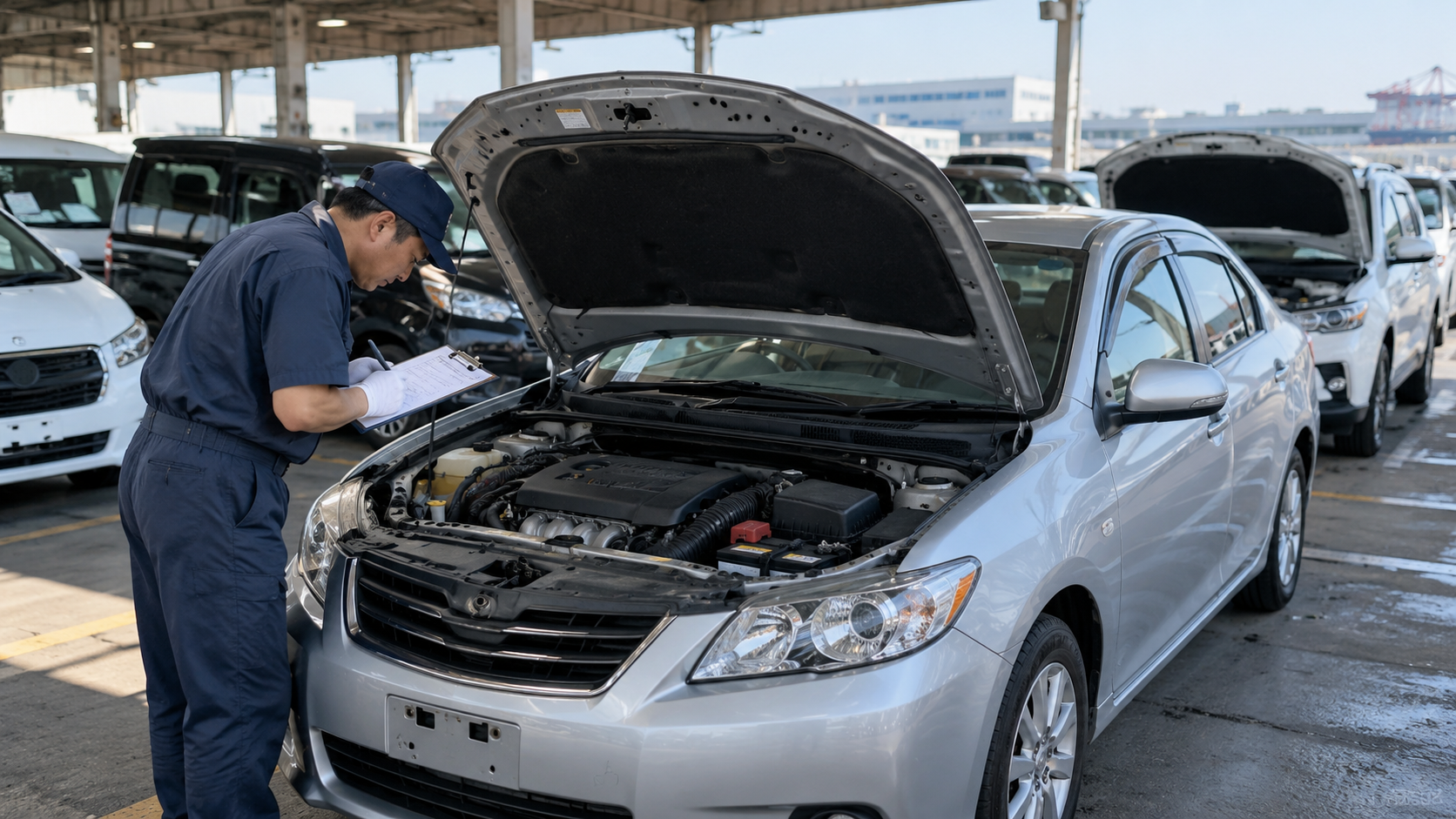
Photographs can show visible condition, but they cannot confirm the mechanical health of every component.
Before buying, ask what inspection information is available for the engine, transmission, brakes, suspension and other important systems.
Depending on the vehicle and inspection performed, useful information may include:
- Recorded mechanical faults or inspection observations.
- Evidence of fluid leaks or other visible issues.
- Available service and maintenance records.
- Information about warning lights or reported problems.
- Notes concerning the engine or transmission.
- Any disclosed issues requiring repair or further assessment.
The availability and depth of this information can vary between vehicles.
If you are concerned about a specific mechanical issue, ask a clear question and request supporting information where possible. Do not assume that a vehicle has undergone a comprehensive mechanical inspection unless the seller confirms the scope of that inspection.
If additional independent inspection is available, consider whether it is appropriate for the vehicle's price, age and intended use.
7. Check Tyres, Wheels and Visible Wear
Tyres and wheels can provide useful information about a vehicle's visible condition and possible maintenance needs.
Where photographs allow, examine the tyres for obvious damage, uneven wear and differences between tyres. Check the wheels for visible dents, scratches or other damage.
If the listing includes tyre details or inspection notes, review them carefully. Ask for clarification if the tyre condition is not clear.
Uneven tyre wear can have several possible causes, so it should not automatically be treated as proof of a specific mechanical fault. If you notice a concern, ask whether further inspection findings are available.
Also consider whether the tyres and vehicle configuration are suitable for your intended use and destination.
8. Confirm That the Vehicle Suits Your Country
A vehicle can be in acceptable condition and still be unsuitable for import into your destination country.
Before paying, confirm the current import rules with the relevant customs or transport authority.
Depending on the country, requirements may relate to:
- Vehicle age or model year.
- Steering position.
- Engine capacity or vehicle classification.
- Emissions and safety standards.
- Inspection certificates or permits.
- Customs duties and taxes.
- Registration and roadworthiness requirements.
Do not assume that a vehicle eligible for import into one country will automatically qualify in another.
Check the rules for the specific vehicle before purchasing. If the requirements are unclear, consult a qualified local customs agent or the relevant authority.
You should also consider whether replacement parts, servicing and technical support are available in your destination market.
9. Compare the Vehicle's Price With Its Condition
Once you have reviewed the available information, compare the vehicle's price with its condition, specifications and likely ownership requirements.
Avoid choosing a vehicle based only on the lowest advertised price.
When comparing similar models, consider:
- Model year and recorded mileage.
- Available condition and inspection information.
- Disclosed damage or repair history.
- Included equipment and specifications.
- Expected maintenance requirements.
- Availability of replacement parts.
- Shipping and destination costs.
- Whether the vehicle meets local import rules.
A higher-priced vehicle is not automatically better, just as a lower-priced vehicle is not automatically a poor choice. The goal is to understand the differences and decide whether the vehicle represents suitable value for your needs.
For more context on the expenses involved, read our guide to the cost of importing a used car from Japan.
10. Ask the Seller These Questions Before Paying
If you are unsure about a vehicle, asking specific questions can help you get more useful answers than requesting general confirmation that the car is in good condition.
Consider asking:
- Is the vehicle still available for purchase?
- Can you confirm the stock number and listed specifications?
- Is an auction sheet or inspection report available?
- What mileage information and supporting records are available?
- Has any damage or repair history been disclosed?
- Can you provide additional exterior and interior photographs?
- What equipment is confirmed on this exact vehicle?
- Is any known mechanical issue recorded in the available information?
- Which charges are included in the quotation?
- What additional costs should I expect for shipping and my destination country?
Keep the answers and relevant documents with your quotation. This makes it easier to review the information and resolve inconsistencies before payment.
For an overview of the purchasing stages, you can also read the GreatCars Japan buying guide.
A Practical Checklist Before Buying a Used Car from Japan
Use this checklist to organise your review before committing to a vehicle.
- Confirm the exact make, model, year and specifications.
- Check that the listed mileage is consistent with available records.
- Review the auction sheet if one is available.
- Read the inspection notes and disclosed condition information.
- Examine all available exterior and interior photographs.
- Ask about unclear damage markings or repair history.
- Confirm the equipment included on the specific vehicle.
- Review the available mechanical inspection information.
- Confirm that the vehicle is eligible for import into your country.
- Estimate shipping, insurance, duties, taxes and local charges.
- Check the quotation, payment terms and seller details.
- Keep copies of the documents and correspondence.
Not every vehicle will have the same supporting records. If information is missing, establish what can be verified before deciding whether to proceed.
Common Mistakes to Avoid
Choosing a car based only on photographs
Photographs are useful, but they cannot establish every aspect of a vehicle's condition. Review the available inspection information and ask questions about anything unclear.
Assuming every auction sheet means the same thing
Auction grades and notation systems can vary. Review the actual document and seek clarification when needed.
Treating low mileage as a guarantee of good condition
Mileage should be considered alongside vehicle age, maintenance information, inspection findings and visible wear.
Ignoring disclosed damage or repair notes
Do not overlook a note simply because the vehicle's overall appearance seems attractive. Understand the nature of the recorded issue before deciding.
Assuming all advertised features are included
Equipment can vary by trim level and individual vehicle. Confirm the features on the exact vehicle you intend to purchase.
Forgetting destination-country requirements
Import eligibility, duties and registration rules can affect whether the vehicle is suitable for your market. Verify these requirements before payment.
Comparing vehicles using price alone
Consider the full cost, available condition information, specifications and likely maintenance needs when comparing options.
Conclusion
Buying a used car from Japan requires careful consideration of more than its advertised price. Reviewing the vehicle's specifications, mileage, auction sheet, available inspection information, photographs and disclosed repair history can help you understand the vehicle more clearly before purchasing.
No single check can guarantee a problem-free car. The best approach is to compare the available evidence, ask questions about anything unclear and confirm that the vehicle meets your destination country's requirements.
If you are ready to explore your options, browse the available inventory at GreatCars Japan. Shortlist vehicles that match your needs, review their available details and contact GreatCars Japan for a quotation before proceeding with your purchase.
Frequently Asked Questions
What should I check before buying a used car from Japan?
Check the vehicle's specifications, mileage, available auction sheet, inspection information, disclosed accident or repair history, photographs, equipment and import eligibility. Also review the quotation and estimate the total cost of getting the vehicle to your destination.
How can I check a Japanese used car auction sheet?
Review the overall grade, interior assessment, damage markings, mileage information and inspector's comments where provided. The format and grading criteria can vary between auction houses, so interpret the document in context and ask for clarification if anything is unclear.
Does a high auction grade guarantee a good car?
No. An auction grade is one part of the vehicle assessment and is not a complete guarantee of mechanical condition, accident history or future reliability. Review the actual inspection notes and other available evidence.
How can I verify the mileage of a used car from Japan?
Compare the mileage stated in the listing with the available auction sheet, service records and other supporting documents. Ask the seller to explain any inconsistencies. A mileage figure alone does not establish the complete history of a vehicle.
Can I tell if a Japanese used car has been in an accident?
Available auction sheets, inspection reports, repair records and photographs may provide information about disclosed damage or repairs. However, no single source can necessarily reveal every past incident. Ask for clarification and additional inspection information when needed.
Should I buy a used car if its auction sheet is unavailable?
The absence of an auction sheet does not, by itself, establish that a vehicle is good or bad. Ask what other condition records or inspection information are available and decide whether you have enough reliable information to proceed.
Are photographs enough to assess a used car's condition?
No. Photographs can help you identify visible damage and examine the interior and exterior, but they cannot confirm every mechanical component or reveal all previous repairs. Review the available records and ask specific questions before purchasing.
What should I check besides the car's condition?
Confirm that the vehicle meets your destination country's import requirements. Review shipping arrangements, insurance, customs duties, taxes, clearance costs, registration requirements and the payment terms before committing to the purchase.